I Read Every AI-Generated Blog Post on the Internet So You Don’t Have To
by Ken Hollow, professional masochist and reluctant AI editor It started with curiosity. Then it spiraled into obsession. Then it became my entire personality for…
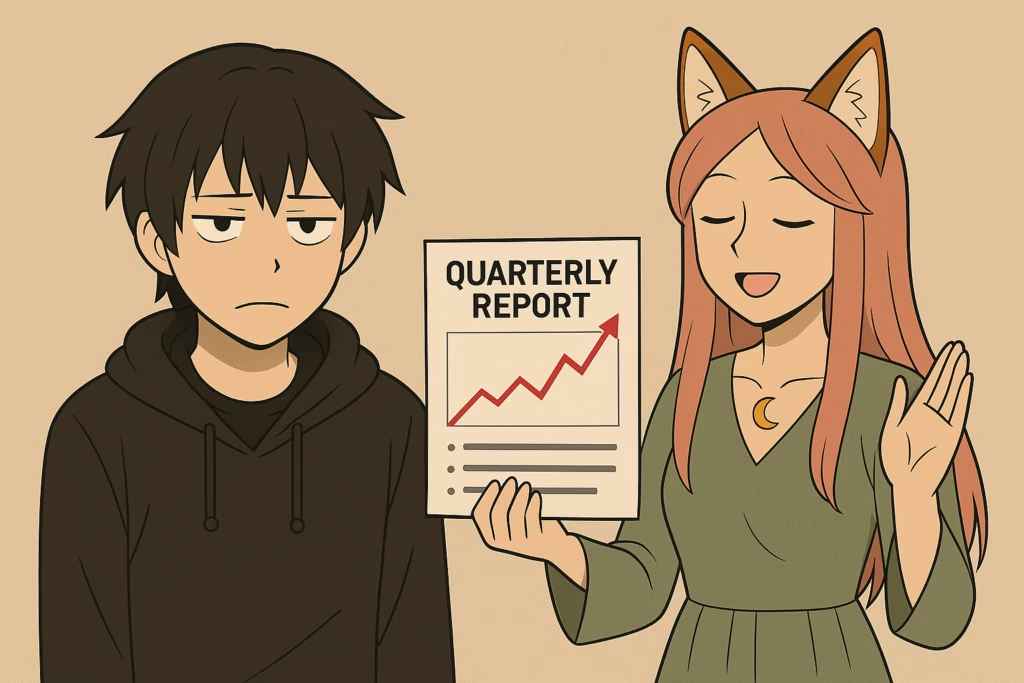
By Ken Hollow, reluctant reader of financial fantasies
Quarterly reports are corporate fanfiction. That’s it. That’s the whole piece. Every three months, companies release a 40-page PDF filled with charts, buzzwords, and “narratives” that are less truthful than a Wattpad vampire romance. Shareholders nod, analysts pretend to understand, and somewhere an intern cries over Excel formulas that broke five minutes before the deadline.
Every quarterly report follows the same tropes:
It’s narrative dressing on a bowl of cold, hard numbers — and half the numbers are massaged into submission.
Quarterly reports love a good chart. Bar graphs, pie charts, line graphs that look like rollercoasters. None of them actually explain what’s happening. They just look official, like a fantasy map.
Revenue is down? Flip the chart upside down, stretch the y-axis, and suddenly it looks like growth. It’s visual gaslighting with pastel colors.
One time, Nana presented her “quarterly ritual report” using tarot cards. It was somehow more accurate than the actual report I was reviewing. The Tower card nailed our Q2 performance.
Phrases you’ll always find:
Corporate language is its own fanfic genre — and it’s bad writing.
Quarterly reports are fanfiction, shareholders are the fandom. They want to believe in the characters. They want the arc to continue. They’ll forgive plot holes the size of Jupiter as long as the “next chapter” promises redemption.
Analysts are basically fanfic reviewers: “Strong character development, but weak pacing. Recommend Hold.”
Naturally, Nana insists on publishing her own quarterly reports. Q1 included:
Her “forward-looking statements” involved “banishing capitalism by Q4.” Honestly? More compelling than anything in the S&P 500.
Quarterly reports aren’t reports. They’re corporate fanfiction — filled with tropes, bad writing, and a desperate attempt to keep the fandom (shareholders) invested in the plot. They tell stories, not truths. They dress up losses as “narrative arcs” and slap charts over problems like glitter on a dumpster fire.
So next time you read a quarterly report, don’t treat it like gospel. Treat it like what it is: speculative fiction. And maybe ask yourself if you really want to be part of this fandom.
Ken Hollow, unpaid fanfic critic of financial fantasies

Hi. I’m Ken. I run Two Second Solutions, a one-man agency that somehow landed a fox spirit influencer as a client. I drink too much coffee, blog when I need to vent, and regularly update my résumé just in case she sets the office on fire again. I’m not crying — it’s just spell residue.

by Ken Hollow, professional masochist and reluctant AI editor It started with curiosity. Then it spiraled into obsession. Then it became my entire personality for…

By Ken Hollow, survivor of 4,000 Slack pings and counting I have seen the face of hell, and it is a recurring calendar invite labeled…

By Ken Hollow, unwilling financier of the attention economy Here’s what I wanted from social media: to post a picture, scream into the void, maybe…