Circling Back to Circle Back (On the Circling Back)
By Ken Hollow, trapped in an infinite feedback loop of buzzwords If I die young, bury me in an Outlook calendar invite. Cause of death:…
By Ken Hollow, unwilling participant in sticky-note theater
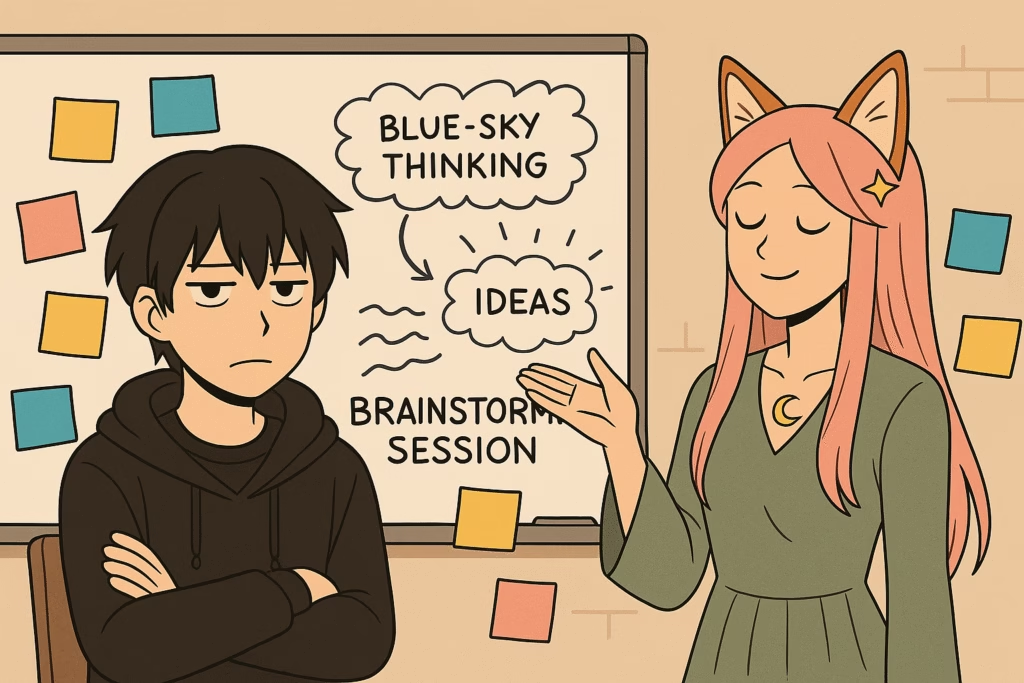
Brainstorming is the corporate equivalent of a séance: a bunch of people gather in a room, chant buzzwords, scribble nonsense, and pretend they’ve summoned something meaningful. Spoiler: they haven’t. At best, you get a whiteboard full of “innovative” ideas that will never be implemented. At worst, you lose three hours of your life you’ll never get back.
Here’s how it goes every time:
Congratulations. You’ve successfully wasted an afternoon.
Sticky notes are the sacred relics of brainstorming. Cover a wall with them, and suddenly it looks like progress. In reality, it’s just procrastination in pastel squares. A manager once proudly gestured at a wall of sticky notes and said, “This is innovation in action.” It was a list of hashtags.
Nana, of course, took it literally. During one brainstorming session, she plastered an entire wall with sigils and runes. The brand team called it “visionary.” I called it “a fire hazard.”
“Blue-sky thinking” is corporate code for “say whatever comes to mind, no matter how stupid.” It’s how you end up with gems like:
One exec once suggested “What if raccoons were brand ambassadors?” Nana nodded so hard the room shook. Now we have a raccoon in a branded hoodie. Thanks, Jeff.
Nana insists brainstorming should involve actual storms. Last time, she scheduled a session during a thunderstorm, lit candles, and demanded everyone shout their ideas into the wind. The raccoons contributed more than the marketing interns. Their idea — “free snacks” — was the most actionable suggestion of the night.
Brainstorming isn’t innovation. It’s procrastination dressed up in Sharpie fumes. It’s how you trick yourself into thinking you’re solving problems while really just inventing new ways to waste time.
If your company suggests a brainstorming session, run. Or at least bring snacks. Because the only thing you’re building is a wall of sticky notes destined for the digital graveyard.
Ken Hollow, sticky-note casualty, reluctant participant in idea theater

Hi. I’m Ken. I run Two Second Solutions, a one-man agency that somehow landed a fox spirit influencer as a client. I drink too much coffee, blog when I need to vent, and regularly update my résumé just in case she sets the office on fire again. I’m not crying — it’s just spell residue.
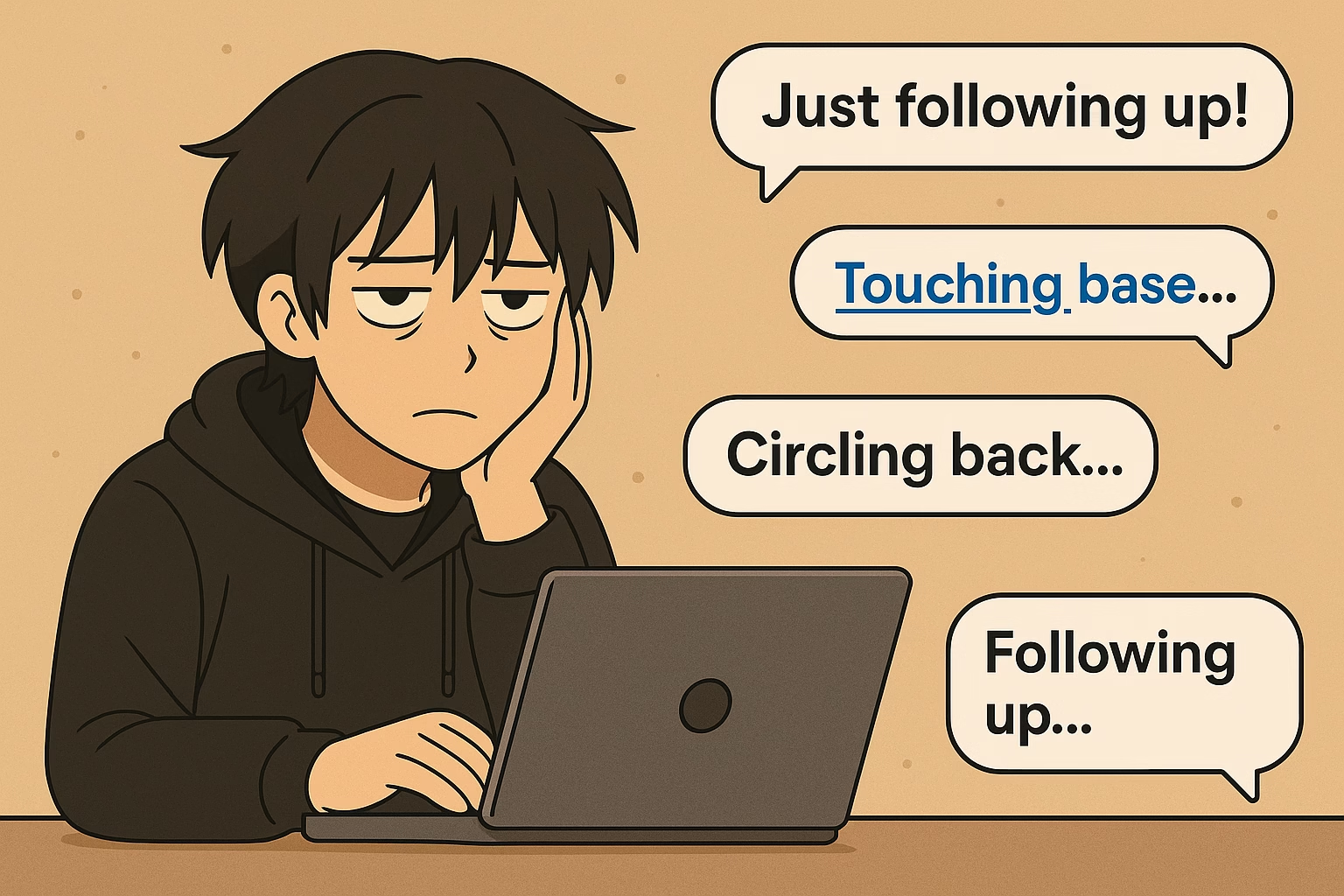
By Ken Hollow, trapped in an infinite feedback loop of buzzwords If I die young, bury me in an Outlook calendar invite. Cause of death:…
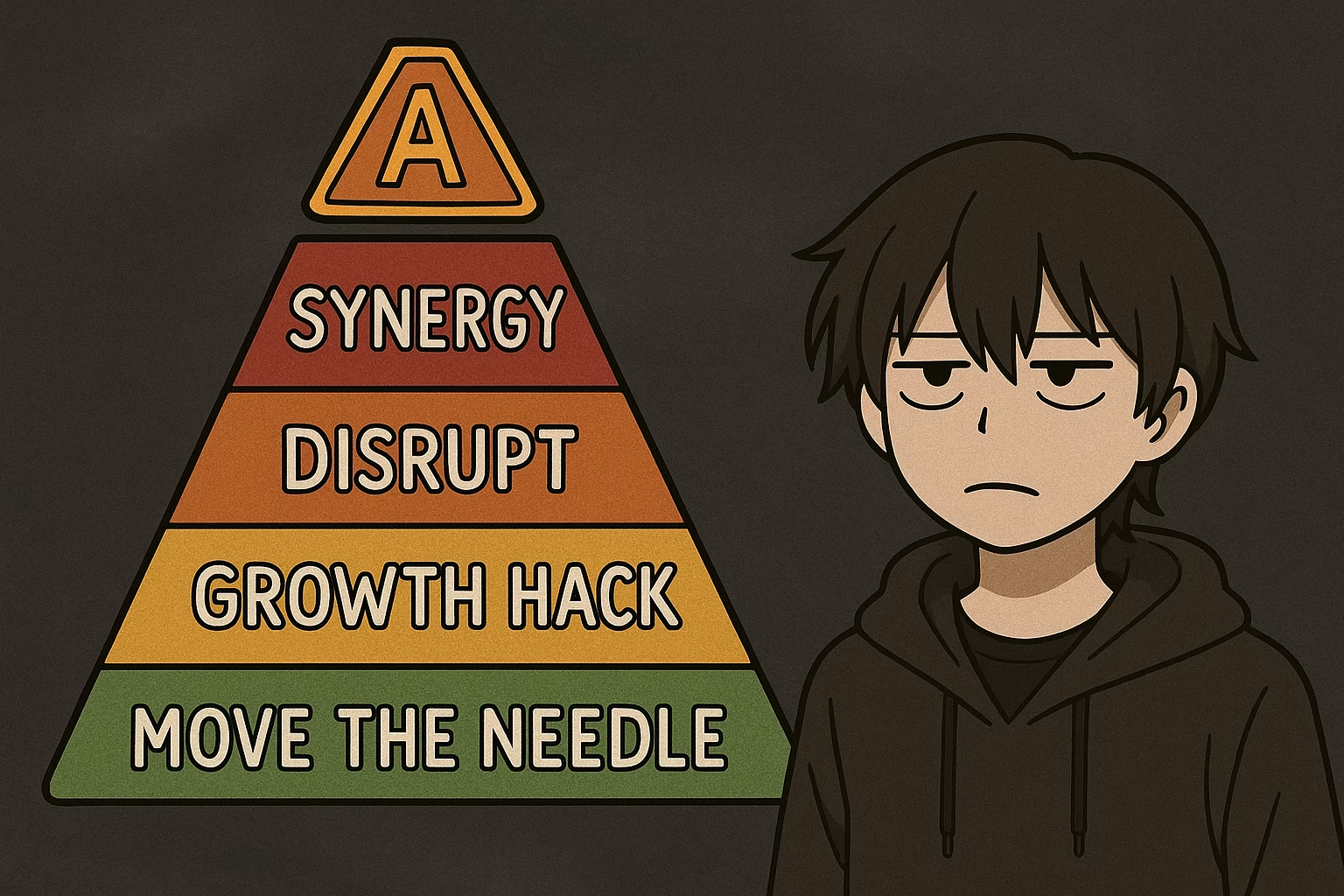
by Ken Hollow, marketing burnout survivor and professional buzzword assassin Look, I love marketing as much as the next exhausted digital marketer who can’t tell…
By Ken Hollow, the man who used to check his phone 80 times a day and considered this a personality trait rather than a problem…